|
 |
|
The Private Eye
|
|
"The reason there are so many
imbeciles among imprisoned criminals is that an imbecile is so foolish even a
detective can detect him."
Austin O'Malley |
|

|
|
The Job
Private detectives gather information for businesses and individuals.
They assist Attorney, businesses, and the public with a variety of legal, financial
and personal problems.
Most private detectives are specially trained to perform
physical surveillance, often for extended periods of time. They also perform computer
database searches that allow them to quickly obtain considerable amounts of
information.
Due to the increase in “Homeland Security” issues many private
detectives provide a myriad of protection details both on a National and International
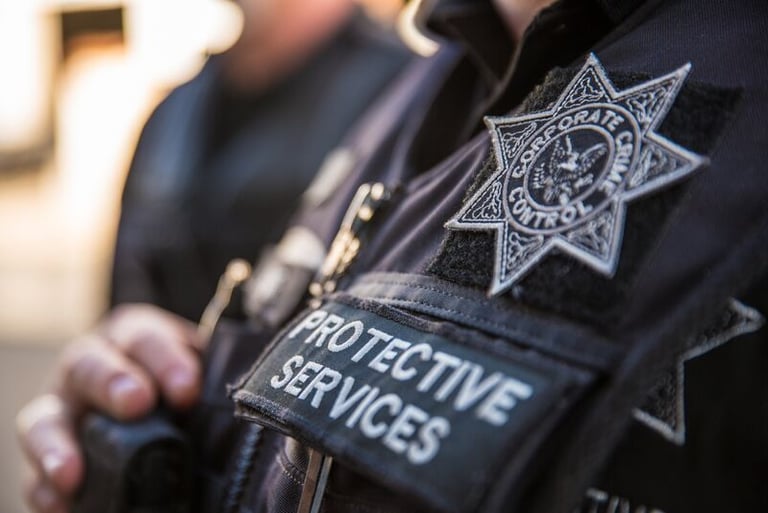
level. They also provide protective services to celebrities, CEO’s and dignitaries.
Private detectives question suspects, catch criminals in the act of committing
crimes and assist law enforcement with the filing of criminal complaints. As a result
private detectives spend a considerable amount of time testifying in court.
Skills
Private detectives must not be afraid of confrontation, should
communicate well both orally and in writing, and should be able to make quick, sound
judgment decisions.
Good interviewing and interrogation skills are important
and are usually acquired in earlier careers in law enforcement, security or other
related fields.
Private detectives must be able to present the facts in a
manner, which a jury will believe.
Private detectives must also be possess the
following skills;
Analyze evidence Apply active listening techniques
Apply and interpret written instructions Apply expert observation in criminal and
civil cases Apply interpersonal communication techniques Apply pursuit tactics
Communicate details concisely and consistently Conduct investigations and research
Gather physical evidence Guard, patrol or monitor premises to prevent theft,
violence or infractions/violations or rules/laws Install cameras for process
control or surveillance Keep accurate records and maintain files Locate persons
– skip tracing Operate and monitor surveillance equipment Operate two-way radios
Prepare detailed reports Research work related to topics using library resources
and the Internet Use and maintain firearms (Not always applicable) Be proficient
with the use of a PC Utilize surveillance techniques Verify investigative
information Work as a team member
Education
No formal education is
required for most private investigator positions. However, most investigative
employers want to see a formal education in a related study. Attending a private
detective training school is always beneficial to obtaining a job. However,
investigators wanting to enter the field should avoid “on-line” courses and seek out a
reputable training school that is properly licensed.
Specialized training in
subjects such as criminal justice; forensic science, law enforcement, executive
protection and security administration fields are useful.
The majority of the
State and the District of Colombia require private detectives to be licensed by the
state or local authorities.
Job Outlook
Rigid competition is expected,
because private detective careers attract so many qualified people, including
relatively young retirees from law enforcement and military careers.
Opportunities will be best for entry-level positions within detective agencies or part
time positions. Those seeking private detective employment have the best opportunity
with large chains and discount stores.
Employment of private detectives is
expected to grow faster than the average for all occupations through 2012. In addition
to growth, replacement of those who retire or leave the occupation for other reasons
should create many job openings. Increased demand. Increased demand for private
detectives will result from fear of crime, law enforcement budget cuts, increased
litigation and the need to protect information and property of all kinds. Growing
financial activity worldwide will increase the demand for investigators to control
internal and external financial losses, and to monitor competitors and prevent
industrial spying. Additionally, due to the increase in domestic and international
terrorism and “Homeland Security” issues the government is authorizing millions of
dollars in protection money for the private sector.
Earnings
Median
annual earnings of salaried private detectives and investigators were $29,300.00 in
2002. The middle 50 percent earned between $21,980.00 and $41,710.00 The lowest 10
percent earned less than $17,290.00 and the highest 10 percent earned more than
$57,370.00. In 2002, median annual earnings were $29,030.00 in investigation and
security services, and $22,250.00 in department stores.
Earnings of private
detectives vary greatly depending on their employer, specialty and the geographic
region in which they work. According to a study by Abbott, Langer & Associates,
security/loss prevention directors and vice presidents had a median income of
$77,500.00 per year in 2002; investigators, $39,800.00; and store detectives
$25,000.00. In addition to typical benefits, most corporate investigators received
profit sharing plans.
Related Careers
Police Officer Bill Collector
Insurance claims examiner Bodyguard Sheriff deputy Security officer
Corrections deputy Inspector Loss prevention agent Repossession Agent
Database professional Gaming surveillance officers Transit and railroad police
Animal control officers Fish and game wardens Ski/Beach patrol officers and
other recreational protective service workers
Significant points
Work
hours within the field of private investigations are often irregular and the work can
be dangerous.
About a third of all private detectives were self-employed
Applicants typically have related experience in areas such as law enforcement,
military, insurance related fields or government investigative or intelligence
positions.
Working conditions
Private detectives often work irregular
hours because of the need to conduct surveillance and contact people who are not
available during normal working hours. Early morning, evenings, weekends and holiday
work is very common within the field.
Many private detectives spend time away
from their offices conducting interviews or doing surveillance. However, many work out
of their offices most of the day conducting computer searches and making phone calls.
Those who have their own detective agencies and employ other investigators may work
primarily in an office and have normal business hours.
When working on a case
away from the office, the environment might range from a plush boardroom to sleazy
bars. Store and hotel detectives work in the business that they protect. Private
detectives generally work alone, but they sometimes work with others during
surveillance or when following a subject to avoid detection by the subject.
Some detective work involves confrontation, so the job can be stressful and dangerous.
Some situations require the investigator to be armed, such as certain protection
operations. The proper authority must license private detectives who carry firearms.
In most cases a weapon is not necessary because the purpose of their work is gathering
information and not law enforcement or criminal apprehension. Owners of detective
agencies have added stress of having to deal with demanding and sometimes distraught
clients.
Nature of the work
Private detectives utilize many means to
determine the facts in a variety of cases. To effectively carry out an investigation,
they use various types of surveillance or searches. To verify facts, such as an
individual’s place of employment or income, they make phone calls or visit a subject’s
workplace. In other cases, especially those involving missing persons and background
checks, investigators often interview people to gather as much information as possible
about an individual. In many cases, private detectives assist Attorney’s, businesses,
and the public with a variety of legal, financial and personal problems.
Private detectives offer many services to include but not limited to;
Background investigations Bail enforcement Child custody investigations
Corporate espionage Domestic Customer service level shops and inspections
Discharge/termination protection Employee theft investigations Executive
protection Workplace violence protection Fraud investigations
Robbery/Burglary suppression Civil matters Integrity shops Intellectual
property rights investigations International protection details Inventory
control assessment Locate missing persons/runaways Loss prevention Medical
malpractice Pirate enforcement Pr-employment screening Pre-Nuptial Retail
investigations Process service Stalking suppression/protection Surveillance
Undercover and covert operations Theft control assessment Trademark infringement
investigations Insurance fraud investigations Worker’s compensation
investigations
Employment
Private detectives held approximately 48,000
jobs in 2002. About a third were self-employed, including many who held a secondary
job as a self employed private detective. Almost a fifth of the jobs were found in
investigation and security services, including private detective agencies, while
another fifth were in department or other general merchandise stores. The rest worked
mostly State and local government, legal service firms, employment services, insurance
agencies, and credit intermediation and related activities, including banks and other
depository institutions.
Training
There are typically no formal
educational requirements for most private detective and investigator jobs, although
many private detectives posses a college degree. Most private detectives typically
have previous experience and training in other related occupations. Many private
detectives enter the field after serving in law enforcement, the military, government
investigative positions or Federal intelligence positions.
Former law
enforcement officers and other related occupations often become private detectives as
a second career because they frequently are able to retire after 20 years of service.
Others enter from such diverse fields as finance, accounting, commercial credit,
investigative reporting, insurance and law. These individuals can often apply their
previous work experience in a related investigative specialty. A few enter the
occupation directly after graduation from college, generally with an associates or
bachelors degree in criminal justice or police science.
A majority of the
States and the District of Colombia require private detectives and investigators to be
licensed. Licensing requirements vary widely, but convicted felons cannot receive a
license in most states and a growing number of States are enacting mandatory training
programs for private detectives and investigators. Some States have few requirements,
while others have strict requirements.
For most private detective jobs
employers often seek candidates with trade school training, ingenuity, persistence and
assertiveness. A candidate must not be afraid of confrontations, should communicate
well, and should be able to think quickly on their feet. Good interviewing and
interrogations skills are important. Because the courts are often the ultimate judge
of a properly conducted investigation, the investigator must be able to present the
facts in a manner a jury will believe.
Training from a reputable private
investigation training school is helpful to aspiring private detectives, as well as
criminal justice classes from college. Some investigators receive certification from
professional organizations to demonstrate competency in a field. For example, the
National Association of Legal Investigators (NALI) confers the Certified Legal
Investigator designation to licensed investigators who devote a majority of their
practice to negligence or criminal defense investigations. To receive this
designation, applicants must satisfy experience, educational and continuing training
requirements, and must pass written and oral exams administered by NALI.
Most
private detective agencies are small, with little room for advancement. Generally
there are no defined ranks or steps, so advancement takes the form of increases in
salary and assignment status. Many private detectives work for detective agencies at
the beginning of their careers, and after a few years, start their own investigative
firms. Corporate and legal investigators may rise to supervisor or manager of the
security or investigative department.
|